Heils PLM System Successfully Passes Acceptance, Ushering in a New Stage for R&D Management and Project Execution
In August 2025, Heils Technology's PLM system (Product Lifecycle Management) successfully passed acceptance, providing digital support for enterprise R&D management and project execution, enhancing R&D efficiency and product quality.

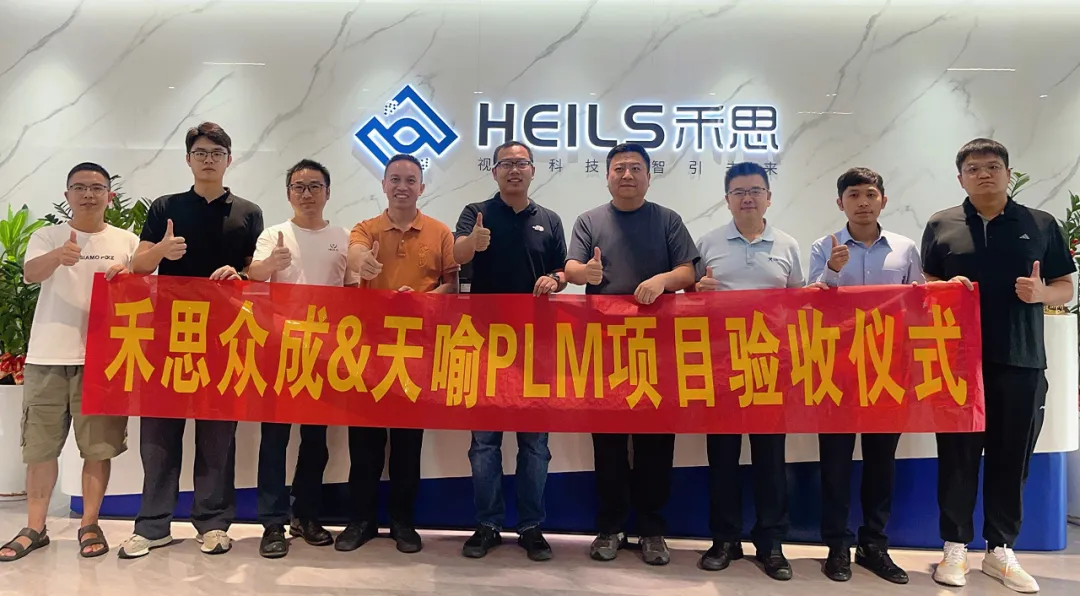
In August 2025, Heils Technology's PLM system (Product Lifecycle Management) successfully passed acceptance, marking its official deployment and providing robust support for R&D management and project execution.
Introduction to the PLM System
The PLM system is an information platform centered on product lifecycle management, covering the entire process from product R&D, design, and testing to production, sales, and service. Through unified data management and process control, the PLM system helps enterprises achieve digital R&D, business collaboration, and scientific decision-making, providing crucial support for innovation and efficiency improvement.
Improvements Brought by the PLM System to R&D
In the R&D phase, the deployment of the PLM system has addressed key pain points prevalent in the industry, leading to significant improvements:
- (1) Full Cloud Management of 3D Design: The system supports centralized, cloud-based storage and collaboration for 3D design data. R&D teams can model, modify, and review on a unified platform, avoiding the issues of scattered local files and version confusion, greatly enhancing design efficiency and team collaboration.
- (2) Process Traceability for Improvements, Ensuring Quality Traceability: The PLM system incorporates improvement processes into standardized management. Every design change, review, and approval is recorded in the system, ensuring transparency and traceability throughout the process. This not only enhances R&D quality control but also provides a reliable basis for subsequent product maintenance and accountability.
- (3) Integrated R&D and Procurement, Boosting Efficiency Across R&D, Production, and Sales: The system achieves seamless integration between the R&D design BOM and procurement/supply chain systems. Design changes are synchronized in real-time to procurement, avoiding information lag and duplicate entry. The integration of R&D and supply chain significantly shortens the cycle from design to production, improving collaborative efficiency across the entire R&D, production, and sales chain.
On-site Acceptance
During the on-site acceptance, the project team demonstrated the system and explained its application to internal experts and representatives from relevant departments. Participants engaged in thorough discussions on system functions, operational processes, data management, and collaborative applications.
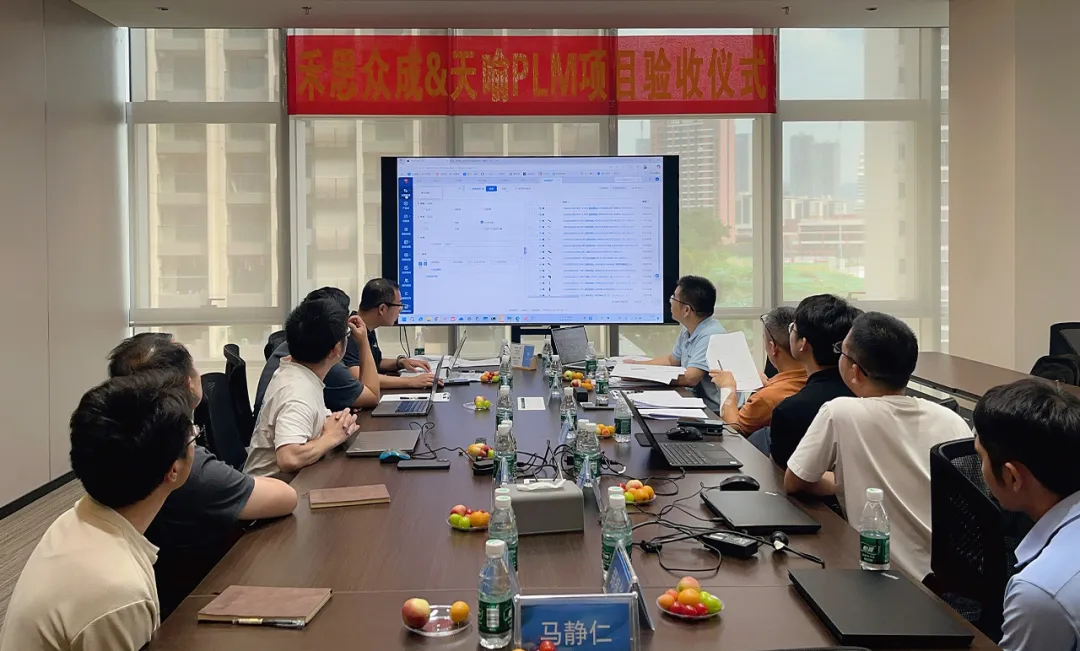
After rigorous functional testing and on-site verification, experts and relevant personnel unanimously confirmed: The system has achieved the expected construction goals and can meet the company's actual needs in R&D management, process standardization, and efficiency improvement.
Conclusion
The successful acceptance of the Heils PLM system in Shenzhen marks not only a significant breakthrough in digital R&D and lifecycle management but also provides a solid foundation for future smart manufacturing and digital transformation. The successful implementation of this system will drive comprehensive improvements in R&D efficiency, product quality, and corporate competitiveness.